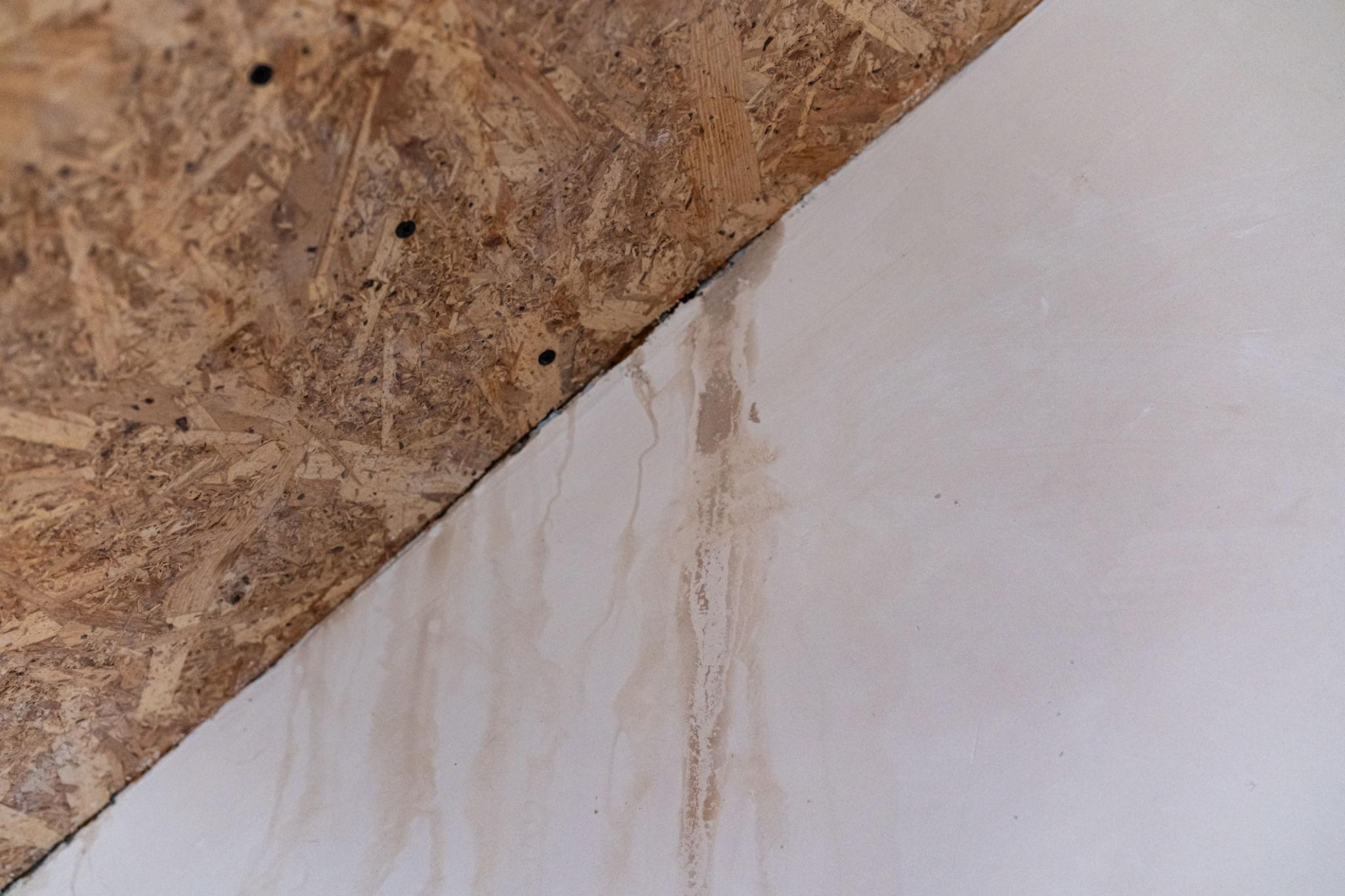
Why Does Water-Damaged Drywall Cost More to Repair?
Introduction
A drywall hole from accidental impact and a drywall section damaged by water may look somewhat similar from the outside, but the repair process behind them is usually very different.
That difference is why water-damaged drywall repairs often cost noticeably more in homes throughout Mililani, Hawaii.
With ordinary drywall damage, contractors are usually dealing with a localized surface problem. Water damage changes the situation because moisture rarely affects only the visible area. Once water enters a wall or ceiling system, it can spread through insulation, framing, paint layers, and nearby drywall before homeowners even notice the problem.
By the time staining, bubbling, or sagging appears, the repair often involves much more than replacing one damaged section of drywall.
Water Damage Usually Extends Beyond the Visible Stain
One of the main reasons water-damaged drywall costs more is that the visible damage rarely tells the full story.
A small brown stain on a ceiling may only be the point where moisture finally became visible. The actual leak path above it could be much larger.
In Mililani, Hawaii, humidity can make this even more difficult because damp materials often stay wet longer inside enclosed spaces. Moisture may continue spreading quietly behind the surface while the visible damage still appears relatively minor.
That means contractors often need to inspect surrounding areas before determining how extensive the repair truly is.
Drywall Weakens Once It Absorbs Moisture
Standard drywall is highly absorbent. Once water enters the material, its structural integrity starts declining quickly.
At first, the damage may appear cosmetic. The paint bubbles slightly, the texture changes, or the surface feels soft in one area. Over time, the drywall itself can begin sagging, crumbling, or separating from fasteners.
Unlike small cosmetic dents or cracks, water-damaged drywall often cannot simply be patched and repainted because the material underneath may already be compromised.
Common Signs the Drywall Itself Has Weakened
Contractors in Mililani often look for signs such as:
Soft or spongy surfaces
Sagging ceiling sections
Bubbling paint
Swollen seams
Crumbling drywall edges
Once these conditions appear, replacement is often more practical than attempting surface repairs alone.
Water Damage Repairs Often Require Finding the Source First
One major difference between standard drywall repair and water-damaged drywall restoration is that the underlying water source must usually be corrected before repairs can safely begin.
Otherwise, the damage simply returns.
The Drywall Is Often Only the Final Symptom
Water intrusion may come from several different sources, including:
Before replacing drywall, contractors often need to confirm the moisture problem has been resolved.
Delayed Repairs Usually Increase the Scope
If the leak remains active, moisture may continue spreading into nearby materials.
A repair that initially involved one damaged section can eventually expand into:
Larger drywall replacement
Insulation removal
Ceiling framing repair
Mold remediation
Repainting broader areas
This is one reason water damage projects tend to become more expensive the longer they are postponed.
Mold Concerns Can Complicate the Repair Process
Not every water-damaged wall develops mold, but the risk increases significantly when moisture remains trapped for extended periods.
In humid climates like Mililani, Hawaii, drying conditions inside walls and ceilings are often slower than homeowners expect.
Mold Prevention Changes the Repair Approach
Once mold becomes a concern, contractors may need to:
Remove additional drywall
Contain affected areas
Improve ventilation
Replace insulation
Dry surrounding materials thoroughly
The focus shifts from cosmetic repair to environmental restoration and moisture control.
Moisture Testing May Become Necessary
Some projects require additional inspection to determine whether surrounding materials still contain trapped moisture.
Without proper drying, new drywall and paint finishes may fail prematurely after installation.
Ceiling Water Damage Is Usually More Labor-Intensive
Water-damaged ceilings often cost more than wall repairs because the work itself is more physically difficult and visually demanding.
Overhead Repairs Require More Setup
Repairing ceilings involves:
Ladder or scaffolding work
Dust containment
Overhead finishing
Texture blending under lighting
Even small imperfections become easier to notice on ceilings once the repair is painted.
Ceiling Damage Often Spreads Wider Than Expected
Water frequently travels across framing before soaking downward into the drywall below.
As a result, the visible stain may not align directly with the full damaged area.
Contractors sometimes discover moisture affecting:
The repair area often expands after inspection begins.
Matching Existing Finishes Takes Additional Time
Water-damaged drywall rarely affects only unfinished surfaces. Most repairs also involve restoring the surrounding appearance.
Paint Matching Is Often Difficult
Older paint finishes may already contain fading, discoloration, or texture variation caused by age and humidity.
Even after the drywall itself is repaired, contractors may still need to repaint larger surrounding areas so the finish blends naturally.
Texture Blending Requires Skill
Textured ceilings and walls are especially difficult to restore invisibly after water damage.
Some common texture challenges include:
Popcorn ceilings
Orange peel textures
Knockdown finishes
Hand-applied textures
The larger the damaged area becomes, the harder it is to make the repair disappear visually.
Emergency Water Damage Repairs Can Raise Costs Further
Water-damaged drywall sometimes becomes urgent when leaks remain active or ceilings begin weakening.
Emergency conditions often increase labor demands because contractors must respond quickly while preventing additional property damage.
Active Leaks Create Immediate Risks
Ongoing water intrusion may affect:
Flooring
Furniture
Electrical systems
Cabinets
Adjacent rooms
Fast mitigation work may be needed before permanent drywall repairs can even begin.
Scheduling and Drying Time Affect Project Length
Unlike simple cosmetic drywall repairs, water-damaged projects often involve waiting periods for drying, moisture testing, or additional inspections before reconstruction starts.
That extended timeline naturally increases labor coordination and project complexity.
Frequently Asked Questions About Water-Damaged Drywall
Why can’t water-damaged drywall always be patched?
Moisture weakens drywall internally, so surface repairs alone may not restore the material properly.
Does drywall always need replacement after water damage?
Not always, but saturated or softened drywall often requires removal if structural integrity has declined.
Why does ceiling water damage cost more?
Ceiling repairs involve overhead labor, wider moisture spread, and more difficult finishing work.
Can humidity in Mililani worsen drywall damage?
Yes. Humidity can slow drying and increase moisture retention inside walls and ceilings.
Why is moisture testing important?
Testing helps confirm surrounding materials are dry enough before new drywall and finishes are installed.
Water Damage Repairs Usually Involve More Than Drywall Alone
Water-damaged drywall repairs are often more expensive because the problem extends beyond the visible surface. Moisture can spread into surrounding materials, weaken drywall internally, affect insulation and framing, and create conditions that require more extensive restoration work.
In Mililani, Hawaii, humidity and prolonged moisture exposure can make these situations even more difficult if repairs are delayed. Understanding why water damage repairs involve additional labor and inspection helps homeowners recognize why the process is usually far more involved than a standard drywall patch. Companies like Verfel Drywall Company LLC often work with homeowners dealing with drywall damage caused by leaks, moisture intrusion, and ceiling water issues that require more detailed repair planning and restoration work.
