Why Do Some Drywall Repairs Cost More Than Others?
Introduction
Two drywall repairs can look almost identical to a homeowner yet end up with completely different price ranges once estimates come in. A crack above a doorway may require a quick cosmetic repair, while a similar crack across the room could involve moisture damage, framing movement, or extensive texture blending that takes far more labor to correct properly.
That difference is one reason drywall repair pricing often feels confusing for homeowners in Mililani, Hawaii.
Drywall itself is not particularly expensive. What usually affects the cost is the amount of preparation, finishing work, and underlying problem-solving involved behind the visible damage. Some repairs stay limited to the surface. Others expose hidden issues that expand the scope of the project once work begins.
In homes throughout Mililani, Hawaii, factors like humidity, water exposure, ceiling stress, and aging wall finishes can also make drywall restoration more involved than people initially expect.
Small Cosmetic Damage Is Usually Less Expensive
Minor drywall damage tends to stay relatively affordable because the repair process is simpler and more contained.
A small nail hole from a wall-mounted picture frame, for example, may only require patching, sanding, and paint touch-up work. Light dents from furniture impact or shallow surface scratches are also typically straightforward because they do not affect the drywall structure itself.
Even hairline cracks are sometimes relatively minor when they come from normal settling inside the home. In those situations, the repair focuses mainly on restoring the surface appearance rather than rebuilding sections of the wall.
The reason these projects cost less is not necessarily because they use fewer materials. It is because they require less labor time, fewer finishing stages, and minimal reconstruction work.
Larger Drywall Damage Changes the Repair Process
Once drywall damage spreads beyond the surface layer, the project usually becomes much more labor-intensive.
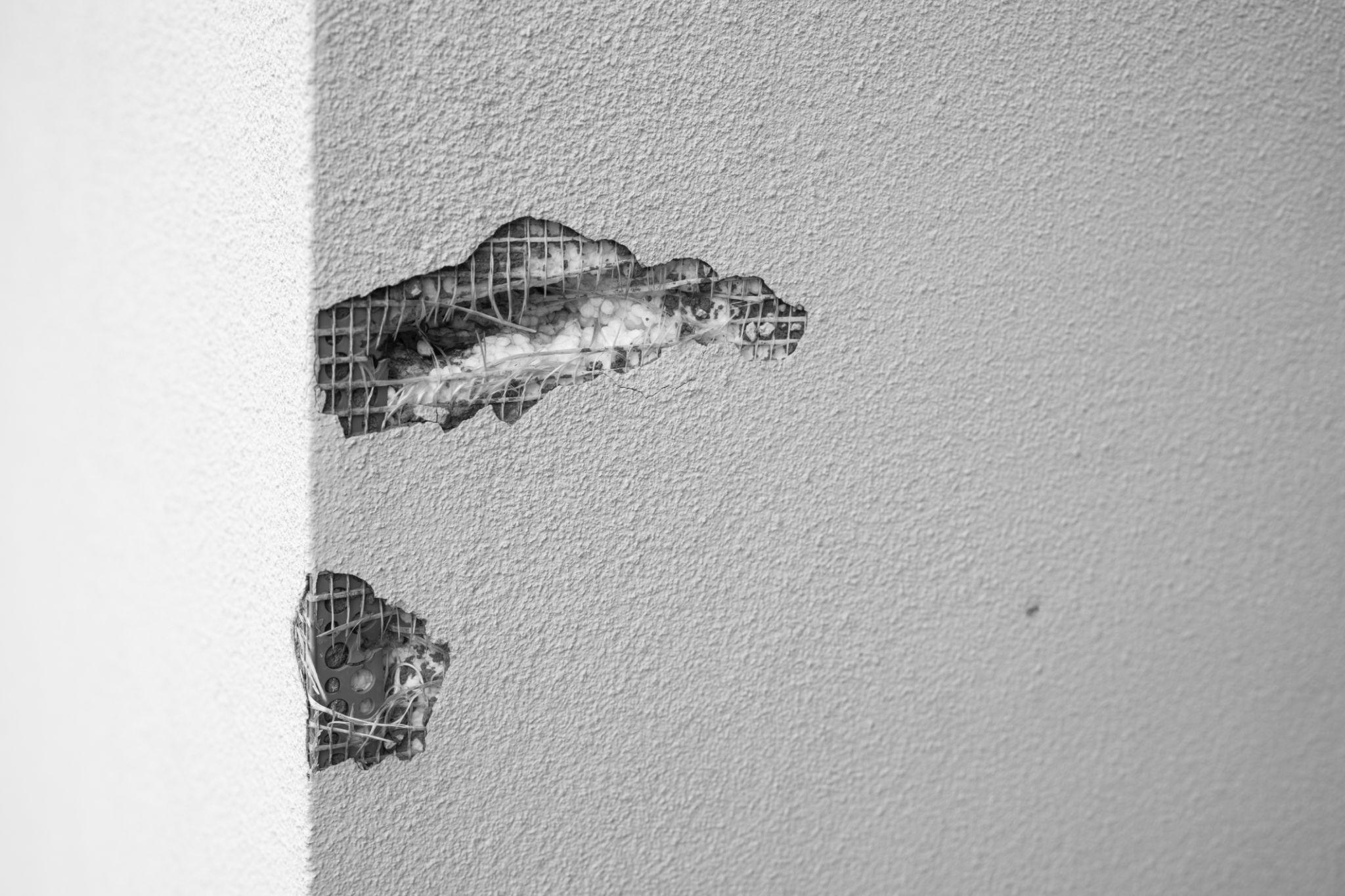
A larger hole cannot simply be filled and painted over. The damaged drywall section often needs to be cut out completely so a stable replacement piece can be installed properly. That process involves rebuilding part of the wall rather than simply patching it.
In many Mililani homes, larger drywall repairs typically follow a sequence like this:
Remove the damaged drywall area
Inspect the space behind the wall
Install support backing if necessary
Secure the replacement drywall piece
Apply multiple layers of joint compound
Sand and smooth the repair
Match the surrounding texture
Prime and repaint the area
Because drywall compound needs drying time between coats, larger repairs may require multiple visits instead of a single-day service.
Texture Matching Is Often One of the Hardest Parts
Many homeowners assume the difficult part of drywall repair is replacing the damaged section itself. In reality, blending the repaired area into the existing wall is often what takes the most skill.
This becomes especially noticeable in older homes around Mililani, Hawaii where wall textures may have changed over time because of repainting, patchwork, humidity exposure, or aging finishes.
Smooth walls can actually be difficult to repair cleanly because imperfections become very visible under natural lighting. Textured walls create different challenges entirely. Orange peel, knockdown textures, and hand-applied finishes require careful blending so the repaired section does not stand out from the surrounding wall.
Sometimes a technically successful repair still looks obvious simply because the texture was not matched correctly.
Water Damage Repairs Usually Cost More for a Reason
Water damage is one of the biggest factors that increases drywall repair costs.
The problem is that water rarely affects only the visible stain on the surface. Drywall absorbs moisture quickly, and once it becomes saturated, the damage can spread deeper into surrounding materials.
In Mililani, Hawaii, humidity can make these situations even more complicated because moisture tends to linger longer inside walls and ceilings.
A water-damaged drywall repair may involve:
This is why two drywall holes of similar size may have completely different repair costs once the source of the damage is identified.
Ceiling Repairs Usually Require More Labor
Ceiling drywall work tends to cost more than wall repairs even when the damaged area is relatively small.
The biggest reason is working conditions.
Overhead drywall finishing is physically slower and more difficult. Contractors must balance on ladders or scaffolding while applying smooth finishes above shoulder height. Sanding ceilings also requires additional dust control and preparation inside occupied homes.
Lighting exposure makes ceiling imperfections easier to notice as well. Even slight unevenness may become visible once natural or recessed lighting hits the repaired area.
In some cases, ceiling damage also signals larger problems involving roof leaks, plumbing issues, or structural shifting. Before the drywall itself can be repaired, the source of the issue often needs investigation first.
Paint Matching Can Expand the Scope of the Repair
Homeowners are sometimes surprised when drywall repairs also involve larger repainting work.
Fresh paint rarely blends perfectly into older painted walls. Over time, wall colors change slightly because of sunlight, humidity, smoke exposure, cleaning, and normal aging.
That means even a properly repaired drywall patch may remain visible if only the patched area gets repainted.
Contractors sometimes recommend repainting:
Entire wall sections
Ceiling spans
Adjacent corners
Connecting surfaces
This creates a more consistent appearance once the repair is complete.
Accessibility Changes the Labor Involved
The location of the drywall damage can affect cost just as much as the size of the repair itself.
A simple patch in an empty room is much easier to complete than the same patch above a staircase or behind built-in cabinetry.
Repairs become more time-consuming when contractors must work around:
Vaulted ceilings
Tight hallways
Large furniture
Cabinet systems
Fragile finishes
In occupied homes throughout Mililani, Hawaii, preparation and cleanup also become important parts of the labor involved. Flooring, furniture, electronics, and nearby surfaces often need protection from drywall dust and sanding debris before work begins.
Poor Previous Repairs Can Make Future Repairs More Expensive
Some drywall projects become more difficult because earlier repairs were done improperly.
Contractors occasionally uncover uneven patch layers, loose drywall tape, poor sanding work, or weak support framing beneath the visible surface. Instead of simply repairing the current damage, they first need to remove the failed repair and rebuild the area correctly.
In certain cases, opening the wall also reveals hidden issues that were previously covered up rather than properly repaired. Moisture damage, mold growth, framing deterioration, and pest activity sometimes remain hidden behind cosmetic patches until the drywall is removed.
That is one reason drywall estimates occasionally change after the damaged area is opened and inspected more closely.
Frequently Asked Questions About Drywall Repair Costs
Why are drywall ceiling repairs more expensive?
Ceiling repairs require overhead labor, additional setup, and more detailed finishing work because imperfections are easier to notice above eye level.
Can humidity affect drywall in Mililani, Hawaii?
Yes. Humidity and moisture exposure can contribute to swelling, cracking, mold risk, and ceiling deterioration over time.
Why does texture matching increase repair costs?
Texture blending requires additional labor and finishing skill so the repaired section matches the surrounding wall naturally.
Does water-damaged drywall always need replacement?
Not always, but saturated drywall often weakens internally and may require removal if the damage is extensive.
Can drywall cracks come back after repairs?
They can if the underlying issue causing the movement or stress is not properly corrected first.
The Cost Usually Depends on More Than the Visible Damage
Drywall repair pricing is rarely determined by the hole or crack alone. Water exposure, texture matching, ceiling access, repainting requirements, hidden wall conditions, and previous repair quality can all affect how much labor the project truly requires.
In Mililani, Hawaii, environmental conditions like humidity and moisture exposure can also make drywall issues more complicated over time. Understanding those factors helps homeowners compare repair estimates more realistically and recognize why some drywall projects involve far more work than others initially appear to need. Companies like Verfel Drywall Company LLC often help homeowners evaluate those situations carefully so repairs address both the visible damage and the underlying cause behind it.
