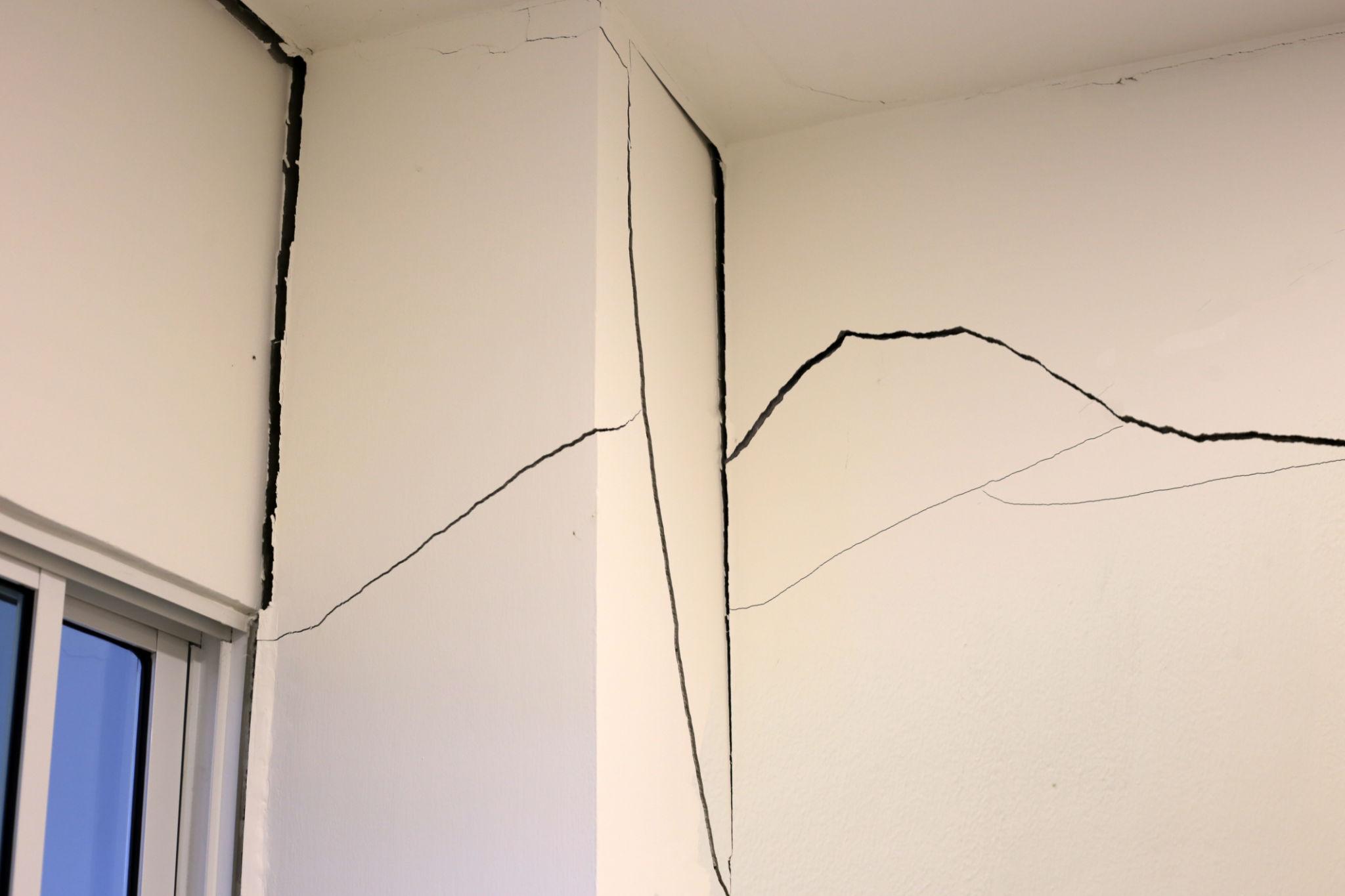
What Causes Drywall Cracks to Keep Coming Back?
Introduction
A drywall crack gets patched, sanded, and repainted. For a while, the wall looks perfectly fine again. Then several months later, the same crack slowly reappears in almost the exact same spot.
That cycle frustrates a lot of homeowners in Mililani, Hawaii because the repair initially seems successful. The assumption is usually that the patch failed or the wall simply needs more compound. In reality, recurring drywall cracks are often symptoms of movement, stress, or instability happening behind the finished surface.
The crack itself is rarely the actual problem.
Drywall does not normally split repeatedly without a reason. When cracks continue returning, the wall or ceiling is usually reacting to something underneath it, whether that involves structural shifting, moisture movement, weak seam installation, or ongoing environmental stress.
Some Cracks Are Normal at First
Not every drywall crack automatically signals major structural trouble.
Homes naturally expand, settle, and shift slightly over time. In newer homes especially, small hairline cracks sometimes appear during the settling process as framing materials dry and adjust under load.
These cracks often show up:
above doors
near windows
along ceiling joints
at drywall seams
Minor settling cracks may remain stable once the home finishes adjusting. The issue becomes more concerning when the crack repeatedly returns after repairs.
That usually means the movement itself never stopped.
The Patch May Only Be Covering the Symptom
A recurring drywall crack is sometimes similar to repainting over a water stain without fixing the leak first. The surface temporarily looks better, but the underlying condition continues affecting the area underneath.
This happens frequently when repairs focus only on appearance.
If the wall continues flexing, shifting, swelling, or separating beneath the repair, the drywall compound eventually cracks again under stress. In Mililani, Hawaii, humidity fluctuations can also contribute to repeated expansion and contraction inside certain wall and ceiling systems.
The drywall repair itself may technically be done correctly, but the surface keeps reacting to movement behind it.
Drywall Seams Are Common Failure Points
Many recurring cracks form along drywall joints rather than directly through the middle of the board.
That detail matters because seams are naturally more vulnerable to stress.
Why Seams Crack More Easily
At every seam, two separate drywall sheets meet together. Those joints rely on tape and compound to bridge the transition smoothly.
If the seam experiences movement, several things can happen:
the tape separates
the compound loosens
the joint flexes
the crack reopens through the finished surface
Ceiling seams are especially vulnerable because gravity constantly places downward stress on the joint over time.
Poor Installation Makes the Problem Worse
Some recurring seam cracks begin years earlier during the original installation.
Problems may involve:
insufficient fastening
weak framing support
improper tape embedding
rushed finishing work
thin compound application
The crack often keeps returning because the joint was never stabilized properly in the first place.
Seasonal and Humidity Changes Can Affect Walls in Hawaii Homes
Environmental conditions in Mililani, Hawaii can play a bigger role in drywall movement than many homeowners realize.
Wood framing naturally expands and contracts as humidity changes throughout the year. Even slight movement inside the framing system can create enough stress to reopen older drywall repairs.
This becomes more noticeable in:
upper ceilings
vaulted rooms
poorly ventilated spaces
rooms exposed to moisture
walls near attic heat buildup
Sometimes homeowners assume the drywall itself is defective when the real issue is ongoing environmental movement affecting the structure behind it.
Ceiling Cracks Often Behave Differently Than Wall Cracks
Recurring ceiling cracks tend to concern homeowners more because they are usually more visible and often spread longer distances.
The reason ceilings crack differently is because the drywall panels carry constant downward weight across the framing system.
A wall may flex slightly without obvious damage. Ceilings usually reveal movement faster.
Certain Ceiling Cracks Are More Concerning
A straight seam crack running across a ceiling may simply involve joint separation. However, cracks that widen, sag, or branch outward sometimes indicate deeper movement or moisture-related weakening.
Some warning signs include:
sagging around the crack
soft drywall texture
widening gaps
discoloration nearby
repeated patch failure within short periods
Those situations often require more than cosmetic repair work.
Moisture Can Quietly Reopen Drywall Repairs
Not all recurring cracks come from structural movement. Moisture can also destabilize repaired areas slowly over time.
This is especially true around bathrooms, kitchens, upper ceilings, and exterior-facing walls.
Even minor moisture intrusion may:
weaken drywall compound
loosen tape adhesion
soften surrounding drywall
create swelling beneath the surface
In humid climates like Mililani, Hawaii, small moisture issues sometimes linger inside walls longer than homeowners expect.
The crack keeps coming back because the repaired area never fully stabilizes or dries properly.
Some Repairs Fail Because They Were Done Too Shallow
Quick cosmetic repairs sometimes only fill the visible line without reinforcing the actual joint underneath.
At first, the wall may look smooth again. But once the surface experiences stress, the crack reappears directly through the patched area.
Longer-lasting drywall crack repairs often require:
opening the crack properly
stabilizing the seam
retaping the joint if necessary
rebuilding the compound layers gradually
correcting any underlying movement issues
Without addressing the source of the stress, surface patching alone may continue failing repeatedly.
Repeated Cracks Sometimes Point to Larger Structural Movement
Most drywall cracks are not emergencies, but certain patterns should not be ignored.
Cracks that continue widening, spreading, or appearing in multiple rooms may indicate broader movement inside the structure itself.
This can sometimes involve:
The drywall simply becomes the first visible place where that movement appears.
Why Repainting Alone Rarely Solves the Problem
Homeowners sometimes repaint cracked areas repeatedly hoping the issue will disappear permanently. Unfortunately, paint only covers the surface visually.
If the drywall underneath continues moving, the crack eventually pushes back through the finish again.
That is why recurring drywall cracks often require investigation instead of repeated cosmetic touch-ups. The important question is not just how to hide the crack, but why the wall keeps reacting in the same location.
Conclusion
Drywall cracks that repeatedly return usually signal ongoing movement, moisture exposure, seam instability, or stress beneath the finished surface. While some small cracks are part of normal settling, recurring cracks often mean the underlying cause was never fully corrected during earlier repairs.
In Mililani, Hawaii, humidity, ceiling movement, moisture exposure, and framing expansion can all contribute to drywall cracks reopening over time. Understanding why the cracks keep returning helps homeowners avoid temporary cosmetic fixes that fail repeatedly and instead focus on stabilizing the actual source of the problem. Companies like Verfel Drywall Company LLC often work with homeowners trying to determine whether recurring drywall cracks are minor cosmetic issues or signs of larger wall and ceiling conditions that need more permanent repair solutions.
