What Affects the Cost of Venetian Plaster Finishes?
Introduction
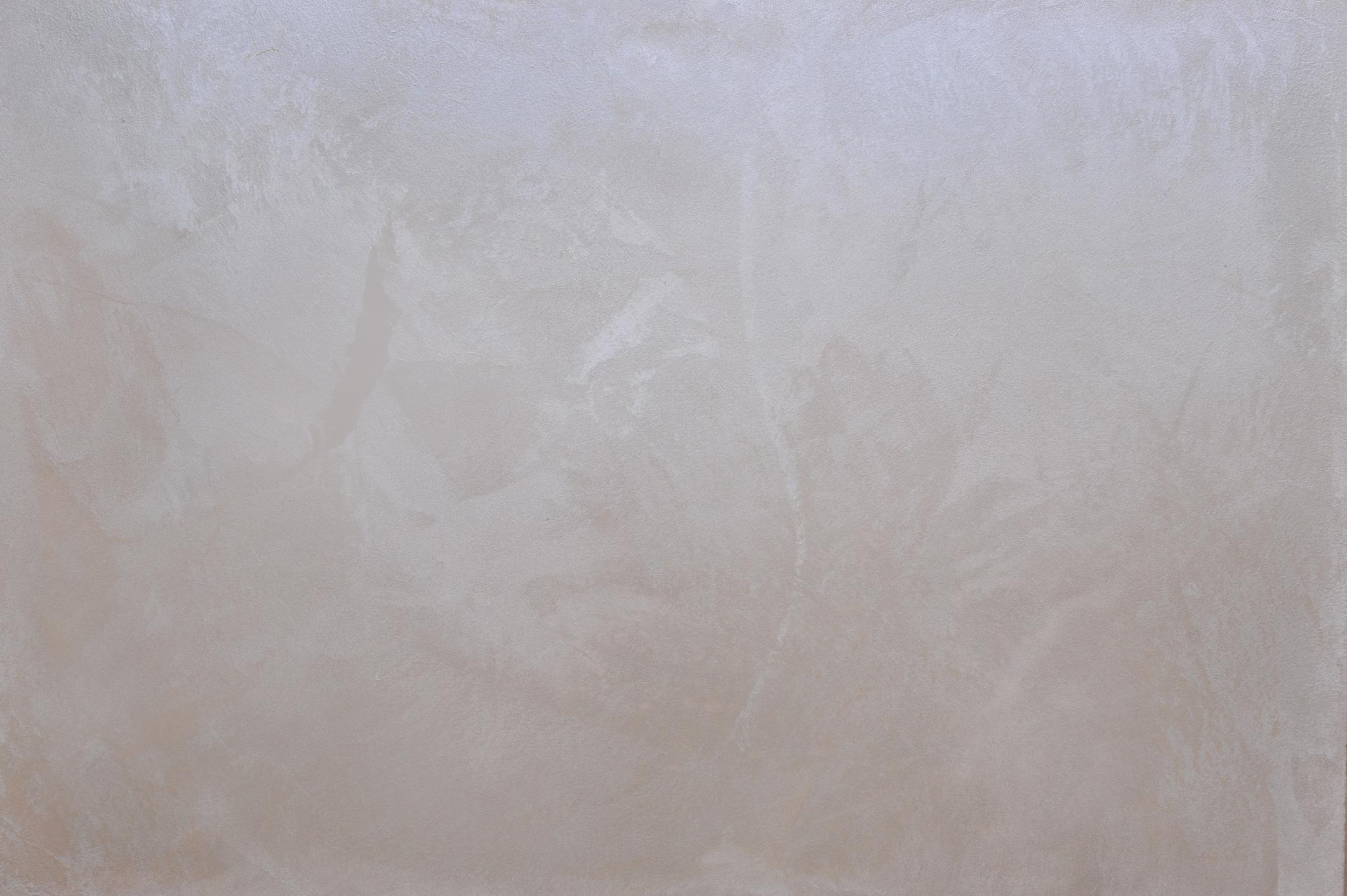
Venetian plaster walls immediately stand out from standard painted finishes. The surface has depth, movement, texture, and a soft reflective quality that changes depending on lighting and viewing angle. In many homes throughout Mililani, Hawaii, Venetian plaster is used to create accent walls, luxury interiors, custom ceilings, and decorative spaces with a more handcrafted appearance.
What surprises many homeowners is how widely Venetian plaster pricing can vary from one project to another.
Two walls of similar size may receive completely different estimates depending on the finish style, wall condition, application method, and level of detail involved. Unlike standard interior painting, Venetian plaster is not simply rolled onto the surface in a single uniform coat. The process is highly labor-driven and depends heavily on craftsmanship, preparation, and finishing technique.
The cost is usually influenced less by the square footage alone and more by the amount of hand-applied work required to achieve the final appearance.
The Finish Style Changes the Amount of Labor
Not all Venetian plaster finishes are created the same way.
Some finishes are relatively smooth and subtle, while others involve layered textures, polished movement, or dramatic dimensional effects that require far more application time.
Basic Matte Finishes
Simpler Venetian plaster finishes typically involve fewer layers and less polishing work. These finishes often create a softer, more natural appearance with moderate texture variation.
Because the application process is less intensive, the labor requirements are generally lower.
Polished or High-Depth Finishes
More decorative finishes require significantly more hand-detailing.
Projects with higher costs often include:
Multiple plaster layers
Burnishing techniques
Metallic accents
Deep texture movement
High-polish reflective surfaces
These finishes demand slower application and greater precision because inconsistencies become highly visible once the plaster cures.
Wall Preparation Plays a Major Role
Venetian plaster does not hide wall imperfections the same way heavier textures sometimes can.
In fact, smooth decorative plaster finishes often highlight flaws even more than standard paint.
Surface Condition Directly Affects the Final Appearance
Before plaster application begins, the wall usually needs to be properly prepared and stabilized.
Problems that commonly increase preparation time include:
In many Mililani, Hawaii homes, older wall repairs or humidity-related surface issues may require correction before decorative plaster can be applied properly.
Smooth Finishes Require More Precision
The more refined the desired finish becomes, the more preparation work is typically necessary.
A polished Venetian plaster surface relies on controlled light reflection. Even small imperfections in the wall underneath can disrupt the finished appearance.
The Number of Coats Affects Project Time
Venetian plaster systems are built gradually through layers rather than completed in one application.
Each layer changes the visual depth and texture of the final result.
More Layers Create More Depth
Some finishes may require only a limited number of coats, while others involve multiple applications to achieve the desired dimensional effect.
Additional layers increase:
Labor hours
Drying time
Surface refinement work
Hand-detailing requirements
The visual richness many homeowners want from Venetian plaster often comes directly from this layered application process.
Drying and Curing Stages Slow the Workflow
Unlike standard paint projects, decorative plaster work cannot always move continuously from one stage to the next.
Some finishes require controlled drying periods between coats before additional work can continue.
That naturally increases project duration and labor coordination.
Intricate Areas Increase Application Difficulty
Large flat walls are usually more efficient to finish than areas filled with architectural detail.
The complexity of the room itself often affects pricing significantly.
Detailed Architectural Features Require Slower Work
Venetian plaster application becomes more time-consuming around:
Arched openings
Ceiling transitions
Built-in shelving
Decorative trim
Niches and recessed walls
Curved surfaces
Each transition point requires careful hand control to maintain consistency throughout the finish.
Ceilings Often Cost More Than Walls
Decorative plaster ceilings in Mililani homes frequently require additional labor because of the physical difficulty involved in overhead application.
Maintaining consistent movement, texture, and polish overhead is considerably slower than applying plaster to standard wall surfaces.
Material Quality Influences Both Appearance and Cost
The plaster material itself also affects project pricing.
Different Plaster Products Create Different Finishes
Some Venetian plaster products are designed for softer matte appearances, while others are formulated for high sheen, marble-like depth, or textured movement.
Higher-end materials often offer:
Better workability
Greater durability
Richer visual depth
Improved polishing characteristics
Premium materials typically cost more but may also produce a more refined final appearance.
Specialty Additives Increase Costs
Certain custom finishes include specialty additions such as:
These upgrades usually require additional application skill and finishing time as well.
Color Choice Can Affect the Application Process
The color itself sometimes changes the complexity of the project.
Dark and Dramatic Colors Require More Consistency
Deep charcoal, black, navy, or richly saturated finishes often reveal uneven movement more easily than lighter neutral tones.
This means installers may spend more time refining the finish to maintain visual balance across the surface.
Multi-Tone Effects Take Longer
Some Venetian plaster designs intentionally layer multiple shades together to create movement and depth.
These finishes require more artistic hand application and careful blending throughout the wall.
Experience and Craftsmanship Affect Pricing
Venetian plaster is far more technique-driven than standard wall painting.
The final result depends heavily on the installer’s consistency, control, and understanding of decorative finishing methods.
Decorative Plaster Is Difficult to Rush
Unlike production painting, Venetian plaster often requires slower, deliberate hand application.
The installer must control:
Trowel pressure
Layer thickness
Texture movement
Surface polish
Light reflection patterns
That craftsmanship is a major part of what homeowners are paying for.
Correcting Mistakes Is More Complicated
With decorative finishes, repairs and corrections are often more difficult than with paint.
Uneven movement or inconsistent texture may require partial refinishing across larger areas to restore visual continuity.
Frequently Asked Questions About Venetian Plaster Costs
Why is Venetian plaster more expensive than paint?
Venetian plaster requires specialized hand application, multiple layers, surface preparation, and detailed finishing work.
Does wall condition affect Venetian plaster pricing?
Yes. Smooth, stable walls are critical because imperfections often show through decorative plaster finishes.
Can Venetian plaster be applied to ceilings?
Yes, but ceiling applications usually require more labor because of overhead finishing conditions.
Why do some Venetian plaster finishes cost much more than others?
More complex finishes involve additional layers, polishing, texture control, and decorative detailing.
Does humidity affect plaster application in Mililani, Hawaii?
Humidity can influence drying conditions and curing time during decorative plaster installation.
Venetian Plaster Costs Reflect the Craftsmanship Behind the Finish
Venetian plaster is not priced like standard wall paint because the process involves far more hand-detailing, preparation, layering, and finishing control. The complexity of the design, wall condition, room layout, and desired visual effect all influence how much labor the project requires.
In Mililani, Hawaii, environmental conditions and existing wall quality can also affect how decorative plaster surfaces need to be prepared and finished. Understanding those factors helps homeowners recognize why Venetian plaster pricing varies so much between projects and why the final appearance depends heavily on craftsmanship and surface preparation. Companies like Verfel Drywall Company LLC often work with homeowners looking for custom decorative wall finishes that require a more detailed and artistic application process than traditional interior painting.
