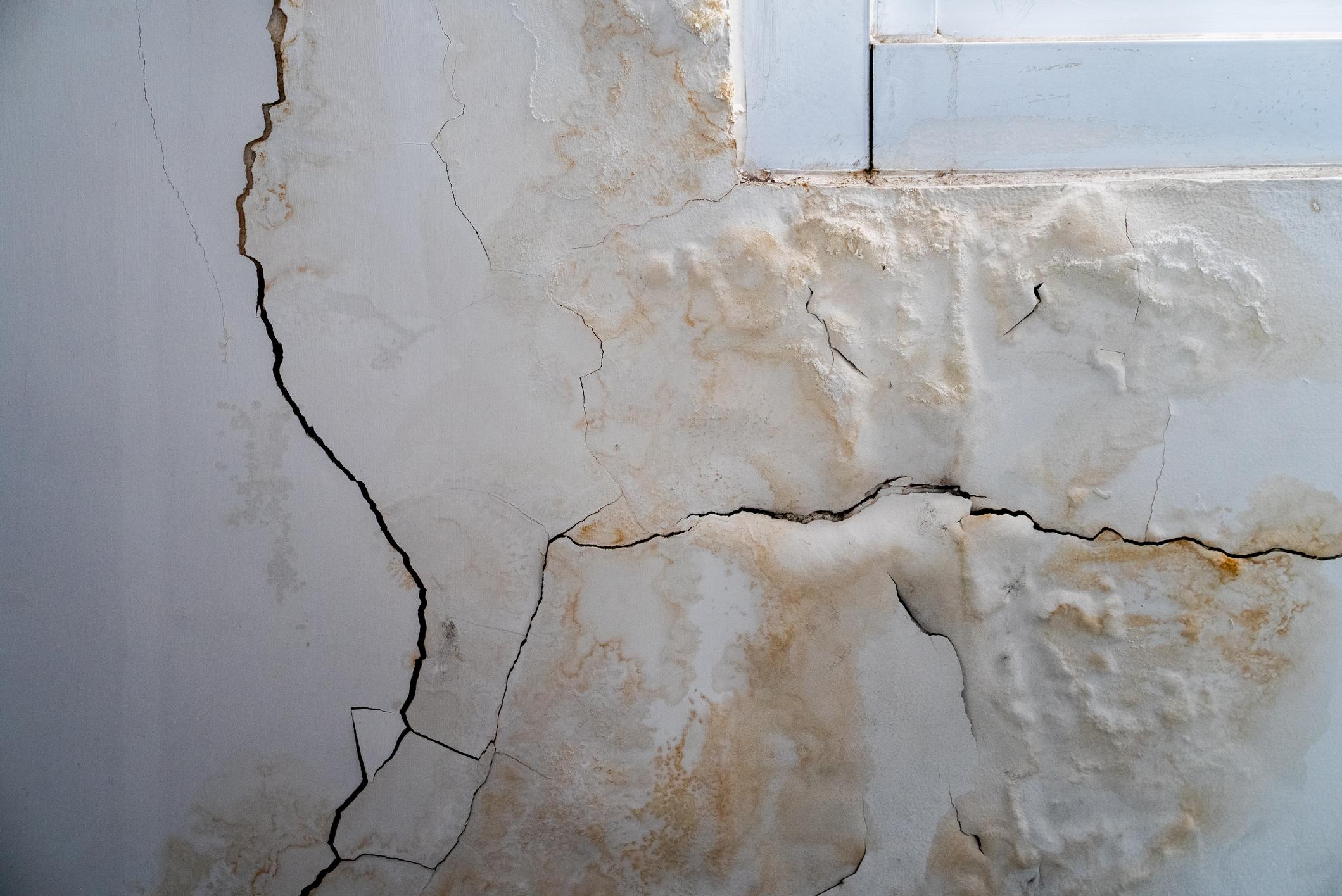
How Do You Know If Drywall Needs Full Replacement?
Introduction
Not every damaged wall automatically needs full drywall replacement. In many homes, small cracks, dents, or isolated holes can be repaired successfully without removing large sections of material.
The challenge is knowing when the damage has gone beyond a simple patch.
Some drywall problems are mostly cosmetic. Others point toward deeper moisture issues, structural stress, repeated failed repairs, or material deterioration that patching alone may not solve long-term. In homes throughout Mililani, Hawaii, humidity and water exposure can also accelerate drywall deterioration in ways that are not always immediately visible from the surface.
For homeowners, the decision between repair and replacement often comes down to whether the drywall can still function properly after restoration or whether the material itself has already lost stability.
Cosmetic Damage Usually Does Not Require Full Replacement
Minor drywall imperfections are common in active households. Furniture bumps into walls, nails leave holes behind, and small settlement cracks appear over time as homes naturally shift.
These issues are typically repair-focused rather than replacement-focused because the drywall itself remains structurally sound underneath the surface.
Common Cosmetic Problems
Drywall can often be repaired when the damage is limited to:
Small dents
Nail holes
Light scratches
Minor seam cracks
Isolated corner chips
In these situations, patching and refinishing are usually enough to restore the appearance of the wall.
Stable Drywall Still Holds Its Shape
One of the biggest indicators that replacement may not be necessary is that the drywall still feels solid and stable overall.
If the wall surface remains firm, flat, and dry, cosmetic restoration is often possible without removing larger sections.
Moisture Damage Changes the Situation Quickly
Water is one of the biggest reasons drywall eventually requires full replacement instead of repair.
Unlike surface dents or cracks, moisture affects the internal structure of the material itself.
Drywall Weakens Once It Absorbs Water
When drywall becomes saturated, it may begin:
Softening internally
Swelling around seams
Crumbling at edges
Sagging from framing
Separating from fasteners
In Mililani, Hawaii, humidity can make this even more problematic because wet drywall may stay damp longer inside enclosed walls and ceilings.
Once the material loses structural integrity, patching the surface usually does not solve the underlying problem.
Water Damage Often Extends Beyond the Visible Area
A stain on the wall or ceiling is not always the full extent of the damage.
Moisture may already be affecting:
This is why contractors sometimes remove larger sections than homeowners initially expect after opening the wall.
Repeated Cracking May Point to Larger Problems
Some drywall cracks continue returning even after previous repairs.
That usually signals that the issue extends beyond the drywall surface itself.
Structural Movement Can Keep Stressing the Wall
Recurring cracks may result from:
Framing movement
Ceiling shifting
Foundation settling
Moisture expansion and contraction
Poor previous installation
If the drywall continues moving, repaired areas may fail repeatedly.
Multiple Failed Repairs Can Weaken the Surface
In some homes, repeated patching eventually creates uneven wall layers, loose tape seams, or unstable surfaces beneath the finish.
At that point, replacement may provide a cleaner and more durable long-term solution than continuing to patch damaged sections repeatedly.
Mold Concerns Often Require Drywall Removal
Mold risk is another major reason drywall replacement becomes necessary.
Drywall is porous, meaning moisture and organic material can remain trapped inside the surface once contamination develops.
Surface Cleaning Is Not Always Enough
If mold growth remains limited and fully superficial, cleaning may sometimes help. However, drywall affected deeper inside often requires removal to fully address the problem.
This becomes more important when moisture exposure has been ongoing for an extended period.
Signs Mold May Be Affecting the Drywall
Some warning signs include:
Persistent musty odor
Dark staining returning after cleaning
Soft drywall texture
Peeling paint with moisture presence
Visible spreading discoloration
In humid areas like Mililani, Hawaii, unresolved moisture conditions can increase the likelihood of mold-related drywall deterioration over time.
Severe Impact Damage Sometimes Requires Replacement
Not all physical damage can be repaired effectively through patching alone.
Large impact damage may compromise the stability of the surrounding drywall area.
Size and Location Matter
A small hole between studs may be relatively straightforward to patch. Larger damaged sections can become more difficult when they involve:
Broken drywall edges
Crushed framing areas
Corner intersections
Ceiling seams
Electrical cutouts
The repair becomes less reliable as the surrounding material weakens.
Ceiling Damage Is Often More Sensitive
Ceiling drywall replacement is more common when moisture or impact damage affects overhead sections because sagging materials create both cosmetic and safety concerns.
Once ceiling drywall loses rigidity, replacing the affected area is often safer than attempting partial repairs.
Poor Installation Can Lead to Full Replacement Later
Some drywall problems begin during the original installation process itself.
Improper fastening, weak seam work, or low-quality finishing may eventually create widespread wall issues years later.
Signs of Poor Installation
Contractors sometimes uncover:
When these problems affect large portions of the wall system, replacing sections entirely may create a more stable finish than ongoing repair work.
Age and Condition Sometimes Make Replacement More Practical
There are situations where drywall technically could be repaired, but replacement still makes more sense long-term.
Older Drywall May Already Be Deteriorating
In aging homes, drywall may already contain:
Multiple old repairs
Moisture history
Surface inconsistencies
Layered paint buildup
Worn seams
At some point, restoring heavily deteriorated drywall becomes less practical than installing fresh material.
Large-Scale Damage Often Favors Replacement
When damage affects broad wall or ceiling sections, replacement sometimes creates:
Smoother finishes
More consistent texture
Better long-term stability
Cleaner final appearance
The labor involved in heavily patching large deteriorated areas may exceed the efficiency of replacing them entirely.
Questions Homeowners Often Ask About Drywall Replacement
Can soft drywall be repaired?
Soft drywall usually indicates moisture damage or deterioration, which often requires replacement instead of patching.
Does mold always mean drywall replacement?
Not always, but drywall affected internally by moisture and mold often needs removal to properly address contamination.
Why do drywall cracks keep returning?
Recurring cracks may point toward movement, structural stress, or poor previous repairs beneath the surface.
Can water-damaged ceilings be patched?
Minor damage sometimes can, but sagging or weakened ceiling drywall often requires replacement for safety and stability.
Is replacing drywall better than repeated repairs?
In some cases, yes. Widespread deterioration or repeated repair failure may make replacement more practical long-term.
Drywall Replacement Usually Becomes Necessary When the Material Itself Is Failing
Cosmetic drywall problems can often be repaired successfully when the wall remains stable, dry, and structurally sound underneath the surface. Full replacement usually becomes necessary once moisture, mold, repeated movement, or material deterioration begins affecting the drywall internally rather than cosmetically.
In Mililani, Hawaii, humidity and water exposure can accelerate those conditions over time, especially in ceilings and moisture-prone areas of the home. Understanding the difference between surface damage and deeper drywall failure helps homeowners make more informed decisions about whether repair or replacement is the better long-term solution. Companies like Verfel Drywall Company LLC often work with homeowners evaluating drywall damage that ranges from simple cosmetic repairs to larger replacement projects involving moisture and structural concerns.
