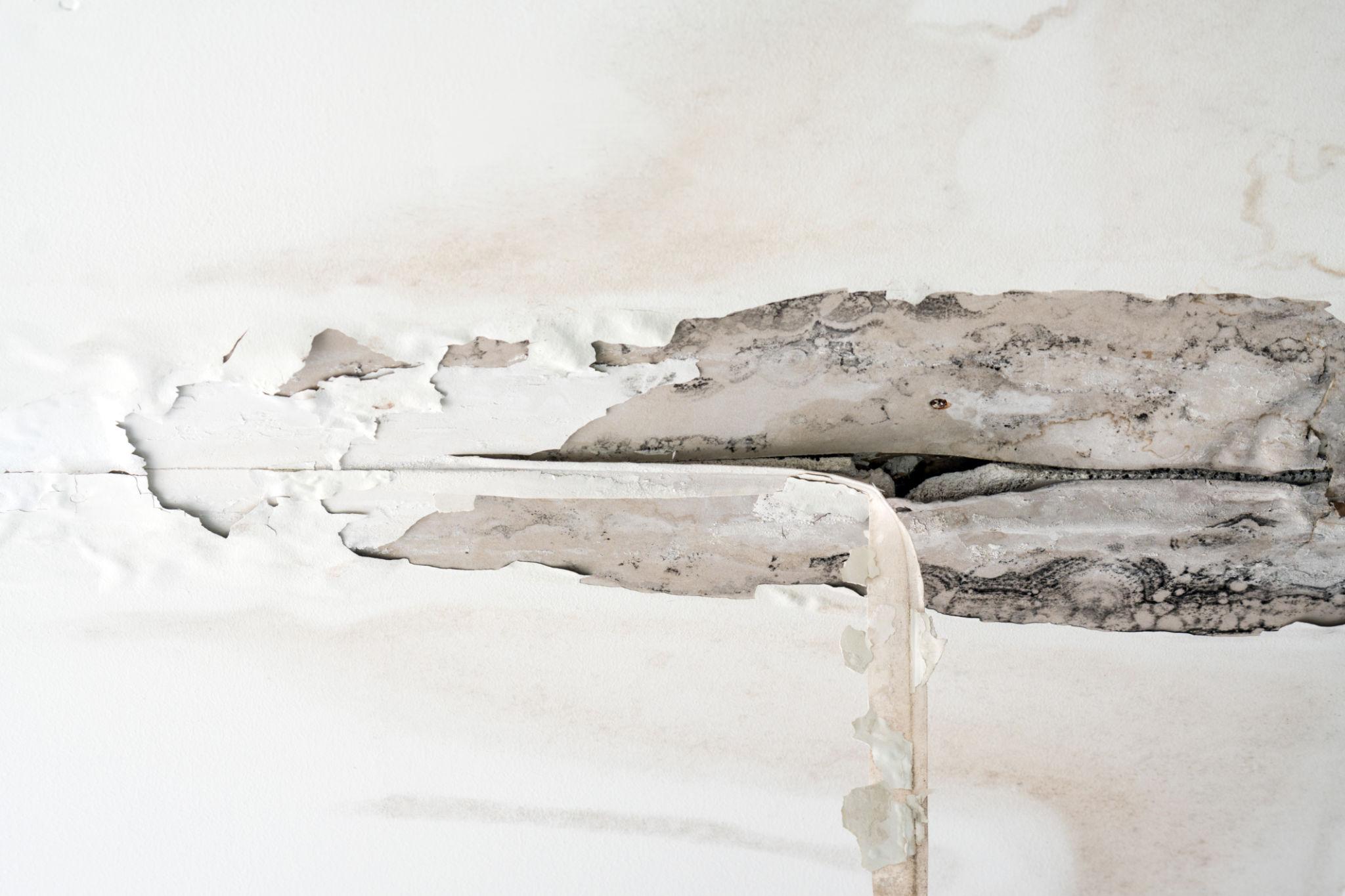
Can Delaying Ceiling Repairs Lead to Higher Costs?
Introduction
A small ceiling stain or hairline crack does not always feel urgent at first. Many homeowners in Mililani, Hawaii put ceiling repairs off for months because the damage seems cosmetic, stable, or easy to deal with later.
The problem is that ceiling issues rarely stay exactly the same over time.
What begins as a minor discoloration or small crack can gradually spread as moisture, movement, or structural stress continues affecting the area above the ceiling surface. By the time the damage becomes impossible to ignore, the repair may involve far more than patching drywall and repainting.
In many homes, delayed ceiling repairs end up increasing costs because the original problem continues developing behind the surface while the visible damage slowly expands.
Ceiling Damage Often Starts Before Homeowners Notice It
Most ceiling problems develop gradually rather than appearing all at once.
A roof leak, plumbing drip, humidity issue, or framing movement may continue affecting the ceiling long before visible symptoms become obvious inside the room below.
By the time stains or cracks appear, moisture or stress may already be spreading through nearby materials.
In Mililani, Hawaii, humidity can make this process even more difficult because damp materials often stay wet longer inside enclosed ceiling spaces. That prolonged moisture exposure can weaken drywall, insulation, paint adhesion, and even surrounding framing if repairs are delayed too long.
Small Ceiling Cracks Can Become Larger Structural Repairs
Not every ceiling crack is serious, but some cracks signal movement or stress that continues worsening over time.
A thin seam crack near drywall joints may stay relatively stable. Wider cracks, sagging sections, or recurring separation lines are more concerning because they may point toward shifting materials behind the ceiling itself.
As movement continues, the repair often becomes more involved.
Instead of patching a narrow section, contractors may eventually need to:
Remove larger drywall areas
Reinforce support framing
Retape ceiling joints
Refinish broad ceiling sections
Repaint entire surfaces for blending
The longer the movement continues unchecked, the more visible and widespread the damage can become.
Water Damage Is Usually the Biggest Cost Escalator
Ceiling water damage is one of the clearest examples of why delaying repairs often increases overall expense.
Moisture Rarely Stays in One Spot
A visible ceiling stain does not always reflect the full extent of the leak above it. Water often travels through insulation, framing, and drywall before becoming visible inside the room.
That means the actual damaged area may already be much larger than the stain itself.
If the leak continues, moisture can eventually affect:
Separation and cracking
What could have started as a relatively contained repair sometimes turns into a larger restoration project simply because the moisture source remained active too long.
Mold Risk Increases With Time
Persistent moisture also creates conditions where mold growth becomes more likely.
This is especially important in humid climates like Mililani, Hawaii where damp materials may not dry quickly inside enclosed ceiling cavities.
Once mold remediation becomes necessary, the project often expands beyond standard drywall repair and repainting.
Ceiling Sagging Can Create Safety Concerns
Some delayed ceiling repairs eventually move beyond cosmetic damage and become structural concerns.
Drywall weakens significantly once it absorbs enough moisture or loses support from above. Over time, sections of the ceiling may begin sagging downward under their own weight.
In more advanced cases, portions of the ceiling can partially collapse.
Warning signs that should not be ignored include:
Bowing ceiling sections
Soft or spongy drywall
Expanding water stains
Visible sagging between joists
Cracking combined with drooping surfaces
At that point, repairs often require larger material replacement and more extensive labor.
Delaying Repairs Can Increase Repainting Costs
Many homeowners assume they are only postponing a small patch job. In reality, ceiling damage often spreads enough that matching the surrounding finish later becomes harder and more expensive.
Ceiling Stains Continue Expanding
Water stains frequently darken and spread over time as moisture repeatedly passes through the same area.
A small discoloration may eventually require repainting:
Entire ceiling sections
Connected rooms
Larger blended surfaces
This is especially true when the original paint has already aged or faded.
Texture Matching Becomes More Difficult
Ceiling textures can also become harder to blend cleanly once damage expands.
Minor isolated repairs are generally easier to hide visually. Larger damaged areas often require broader refinishing so the repaired section does not stand out under lighting.
Minor Repairs Are Usually Simpler Than Emergency Repairs
One of the biggest cost differences comes from timing.
Smaller ceiling repairs are often more controlled and predictable when handled early. Emergency repairs, on the other hand, usually happen after significant damage has already spread.
Early Repairs Often Stay More Localized
Addressing problems early may limit the repair to:
Spot drywall replacement
Crack repair
Minor repainting
Leak correction
Once ceilings begin sagging, staining heavily, or collapsing, the project usually becomes much larger.
Emergency Situations Create Additional Costs
Urgent ceiling failures sometimes require:
These situations are usually far more disruptive and expensive than earlier intervention would have been.
Some Ceiling Problems Affect Other Parts of the Home
Ceiling damage does not always remain isolated to one room.
Moisture and structural stress can gradually spread into nearby areas if repairs continue being postponed.
Connected Damage Can Develop Slowly
Over time, unresolved ceiling problems may affect:
Adjacent walls
Flooring below leaks
Insulation systems
Trim and molding
Paint finishes in nearby rooms
The repair scope increases as surrounding materials become affected.
HVAC and Ventilation Issues May Contribute
In some Mililani homes, poor ventilation or trapped humidity can worsen ceiling conditions over time, especially in bathrooms, kitchens, or upper-level rooms.
Without correcting the underlying moisture source, cosmetic repairs alone may continue failing repeatedly.
Frequently Asked Questions About Delayed Ceiling Repairs
Can a small ceiling stain become a bigger issue?
Yes. Ceiling stains often indicate ongoing moisture problems that may continue spreading behind the surface.
Is ceiling cracking always structural?
Not always. Some cracks are cosmetic, while others may signal movement or moisture-related stress.
Why does water-damaged drywall sag?
Drywall absorbs moisture easily, which weakens its structure and causes it to lose rigidity over time.
Does Hawaii humidity affect ceiling damage?
Yes. Humidity in Mililani, Hawaii can slow drying and increase moisture retention inside ceiling materials.
Can delaying repairs increase mold risk?
Persistent moisture exposure can create conditions where mold growth becomes more likely if repairs are postponed too long.
Ceiling Problems Usually Become More Expensive the Longer They Sit
Ceiling damage rarely improves on its own. Cracks tend to spread, moisture continues affecting surrounding materials, and small cosmetic issues can eventually turn into larger drywall, repainting, or structural repair projects.
In Mililani, Hawaii, humidity and moisture exposure can make delayed ceiling repairs even more problematic over time. Addressing ceiling issues earlier often helps limit how far the damage spreads and how extensive the restoration work eventually becomes. Companies like Verfel Drywall Company LLC often work with homeowners dealing with ceiling damage that started as a small issue before gradually expanding into a much larger repair project.
